
01
02
03
04
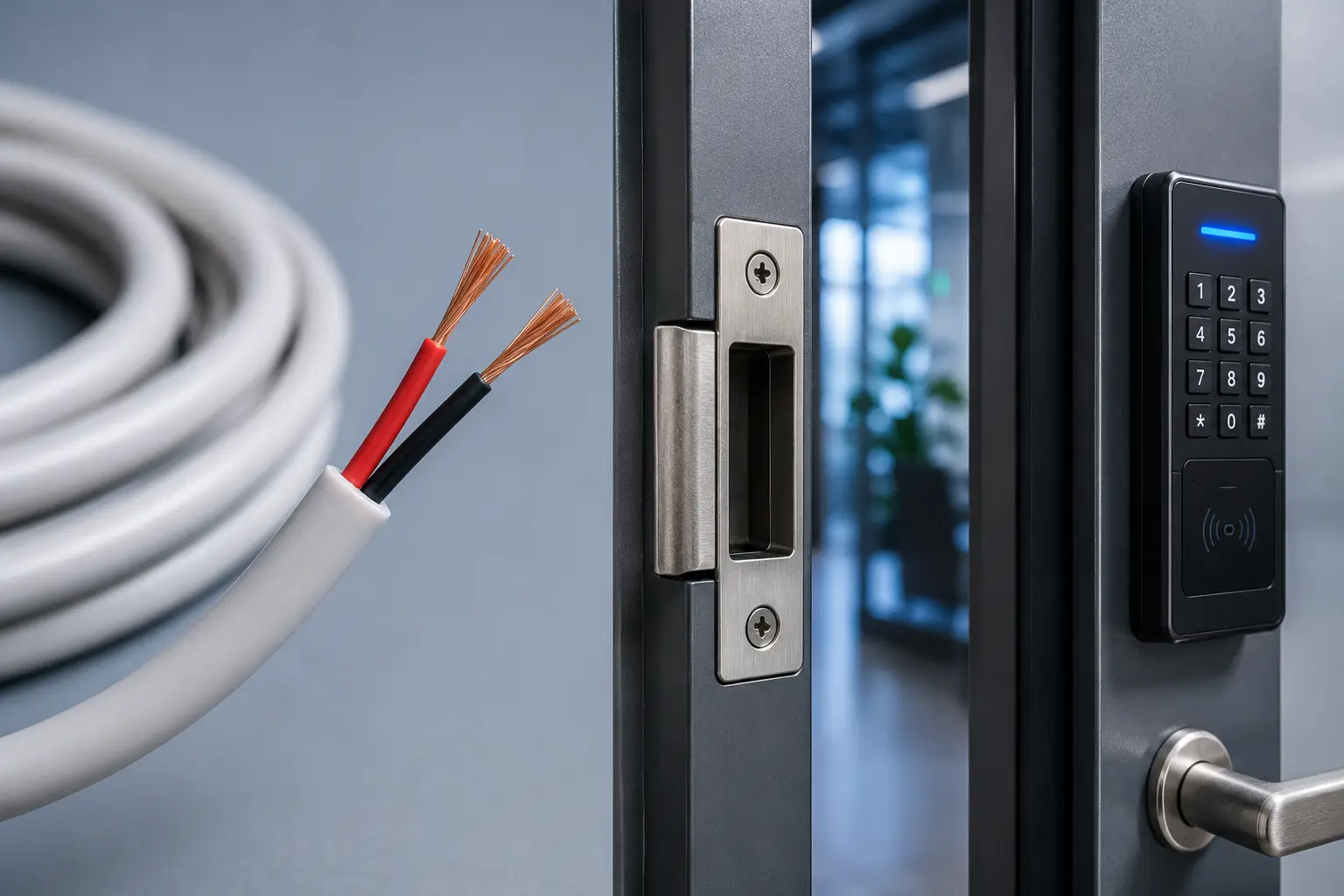
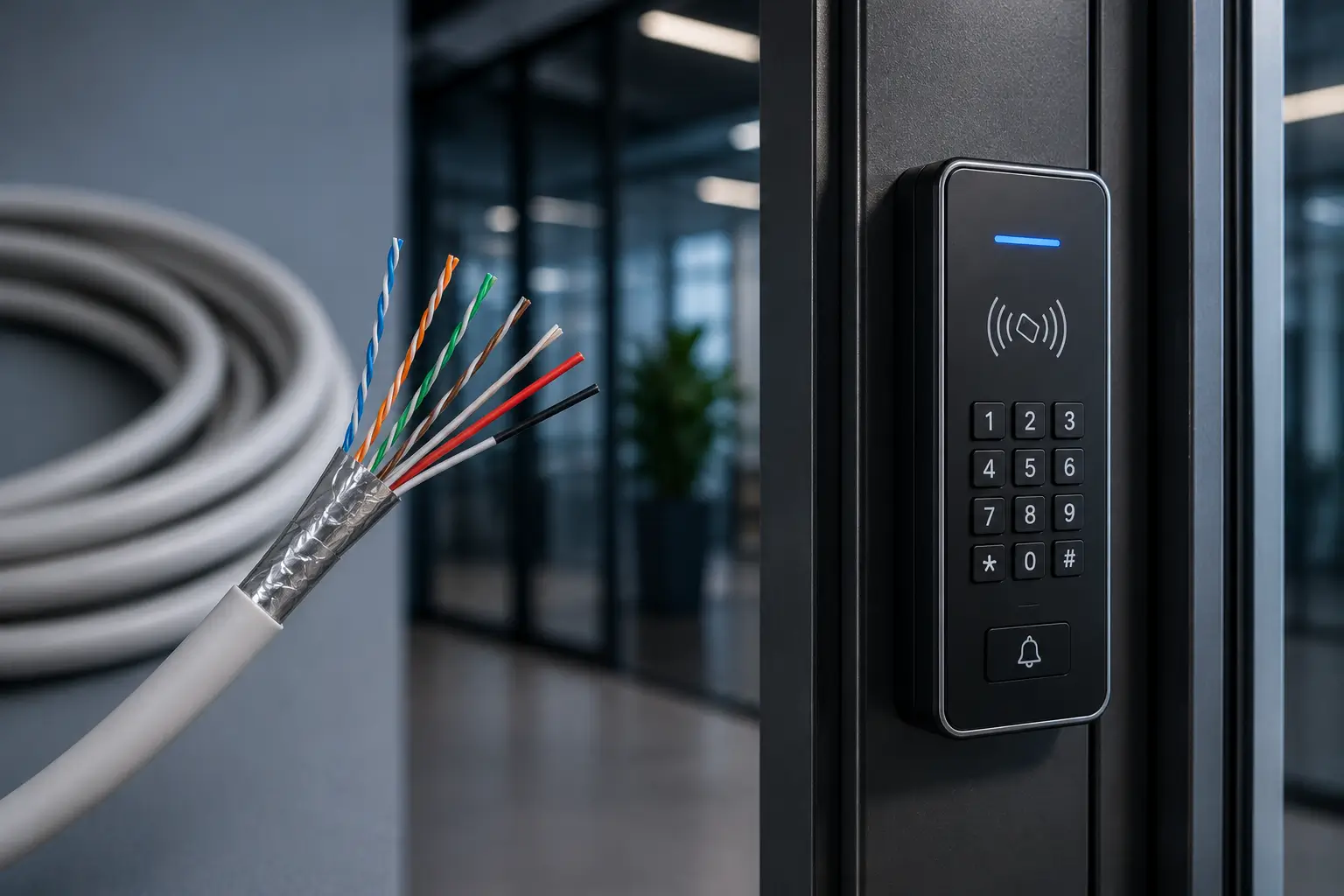
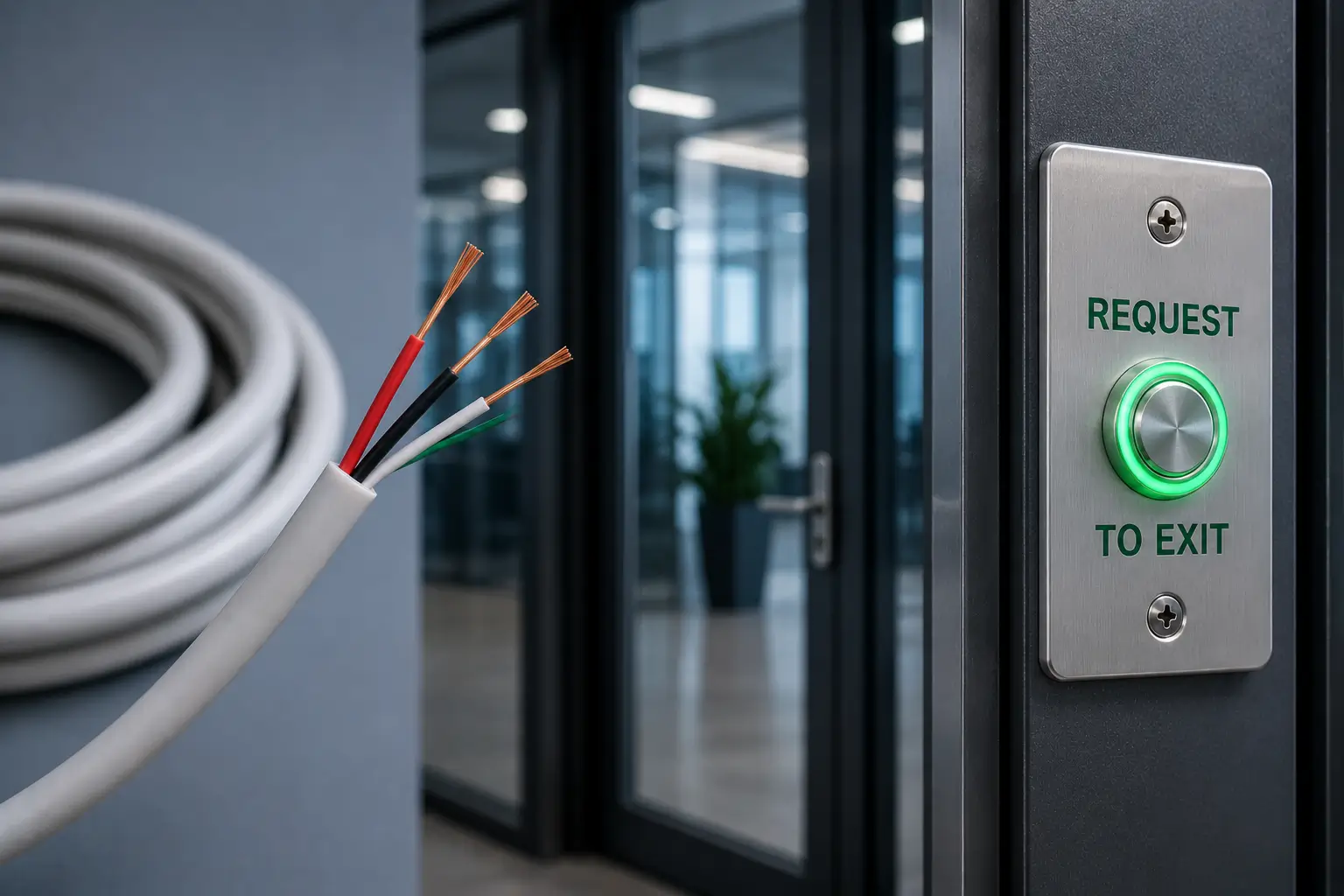
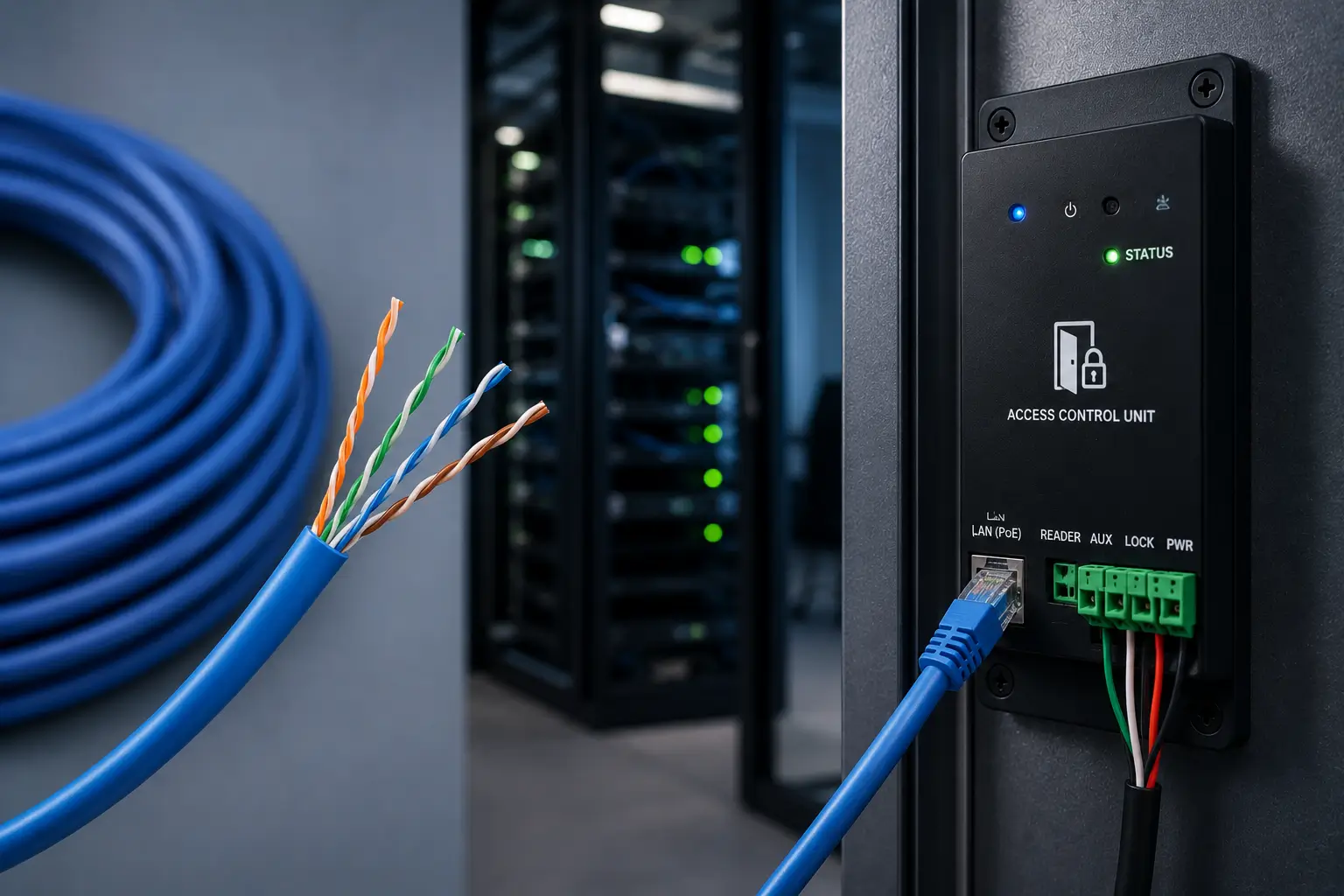
The wiring process is the most time-intensive aspect of installing an access control system. Each electric strike, maglock, and credential reader must be hardwired to an Access Control Unit (ACU), usually located in the IT room. Utilizing incorrect wiring types can lead to numerous problems within your access control infrastructure. Substituting one type of cable for another is not advisable as it may result in either excessive power that can cause equipment to burn out, or insufficient power leading to intermittent connections. Employing cables with improper ratings can also escalate repair costs.
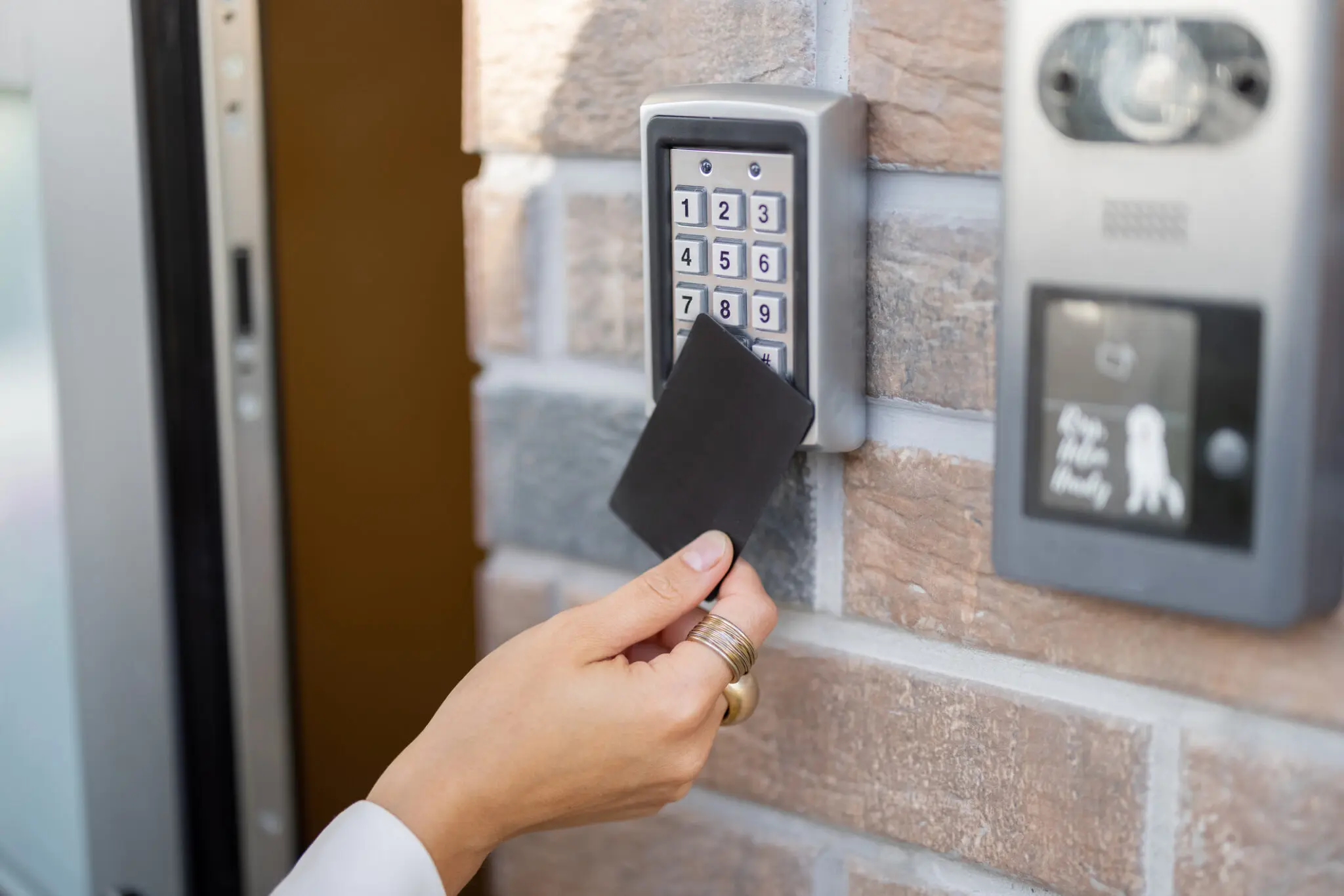
Access control systems are composed of multiple hardware components, including access card readers, smart cards, facial recognition systems, and smart locks. These elements collaborate to maintain the system’s operation. Identifying the causes of malfunctions is crucial in preventing physical equipment failures that lead to operational issues. Hardware malfunctions can be divided into two categories: natural and non-natural damage. Natural damage arises from long-term use, aging of hardware, and exposure to severe environmental conditions, while non-natural damage includes deliberate sabotage or misuse. At BCS we assist in identifying and troubleshooting the issues you are experiencing to protect your business and assets.
In electronic access control systems, network security is crucial. An unprotected system may be susceptible to hacking, resulting in key card cloning and data breaches. Vulnerabilities such as weak passwords, obsolete firmware/software, or insufficient security measures can be exploited. Regular updates and patches are essential for maintaining security.