

Cat 6A cables or Fibers?
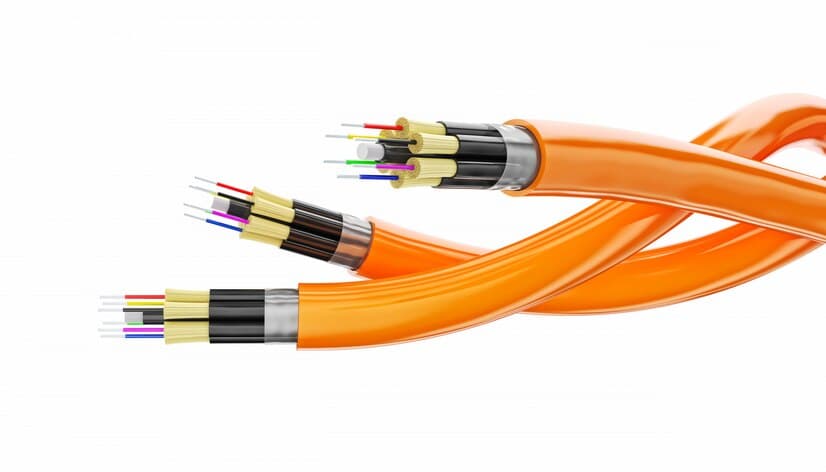
We just finished a job that customer requested that we install OM3 fiber (multi-mode 50 micron plenum) to tie their two suites together. After we did a free site survey, we recommended that they go with Cat 6 or Cat 6A as the distant was under 200 feet. Their have been lots of noise regarding Fiber and how fast it can be. Fiber indeed can be much faster than Ethernet cable, however in my opinion, I don’t think fiber is the first thing that I would recommend due to the cost of equipment and labor involve. Dollar for dollar with no doubt fiber sometimes can be the cheapest transport medium for data, but not necessary true all the time. In this case for instant, Fiber would cost probably 3 times more than Ethernet due to the cost of labor and extra equipment require. To do fiber correctly, typically you will need two housing on each side to protect the hair size strand as fiber can be very fragile, especially on the terminated ends. Typically when we run fiber, we have to run an orange conduit to help protect the fiber. I’m not sure why, but I typically see mainly orange conduit for fiber. I think it may be back then 62.5 was the most common fiber use to tie short distant suites and buildings together and 62.5 was normally orange. Regardless, I’ve seen other single mode fiber and OM3 (normally aqua) also enclosed in orange conduit, I think it may be because there are more supply of orange conduit available then other colors.Wow, I got side track…… back to my point, depending on the distant and or applications, there are reasons why we still have CAT cables vs Fibers, so choose them wisely.
Running Data Cables in Austin During Summer: Why We Only Work Early Mornings

When the Texas summer sun is blazing, you might wonder how essential services like data cable installation can continue. At Business Communication Solutions, we understand the challenges of the scorching heat of Austin summers, and we’ve tailored our operations to ensure both efficiency and safety. Here’s why we only run data cables in the early morning during the summer and how this benefits you—without any extra charges. Austin’s summer temperatures can soar well above 100°F (38°C), creating a challenging environment for outdoor work. High temperatures can not only make physical labor exhausting but also affect the performance and safety of our equipment and materials. Working during the coolest part of the day helps mitigate these issues. Early Morning Installations: The Perfect Solution 1. Enhanced Efficiency By starting our installations early in the morning, we take advantage of the cooler temperatures, which allows our team to work more efficiently and effectively. Cooler conditions help prevent overheating of both our technicians and the equipment, leading to a smoother installation process. 2. Safety First The health and safety of our team are our top priorities. Working in extreme heat can lead to heat exhaustion or heat stroke, which are serious risks. By scheduling our work in the early morning, we ensure that our team remains safe and healthy, ready to deliver the best service possible. 3. Uninterrupted Service Heat can sometimes cause unexpected delays or complications, such as equipment malfunction or slower progress. Early morning work reduces the likelihood of such interruptions, ensuring that your project stays on track and is completed on time. No Extra Charges: Our Commitment to You At Business Communication Solutions, we believe in transparent and fair pricing. Unlike other companies that might charge a premium for working outside regular hours, we do not impose any additional fees for early morning installations. Our goal is to provide top-notch service without burdening you with extra costs. What to Expect from Our Early Morning Installations When you schedule an early morning data cable installation with us, you can expect: Prompt Arrival: Our team arrives on site bright and early, ready to get started. Professional Service: Despite the early hours, our technicians are professional, courteous, and fully equipped to handle your installation needs. Minimal Disruption: We aim to complete our work with minimal disruption to your daily routine, allowing you to enjoy a hassle-free experience. Conclusion Running data cables, security camera cables, voice cables, fiber cables, speaker cables, or any cables during the summer in Austin doesn’t have to be a daunting task. By choosing Business Communication Solutions, you’re opting for a service that prioritizes efficiency, safety, and customer satisfaction without any hidden costs. Contact us today to schedule your early morning installation and experience the difference of working with a company that truly understands your needs. Stay cool and connected with Business Communication Solutions! Feel free to reach out to us for any questions or to book your appointment. We look forward to serving you! 512.257.1433
Bad Data Cables

We recently pickup a few customers that needed it security (malware, antivirus, and firewall). After we finish setting this up, customer ask us if we can look into why they have computers constantly loosing network connectivity. After a bit of troubleshooting, we realize the cables were bad. We ended up replacing come cables (Cat 5e plenum). After we removed the old cables and replace with new one, we were curious, what could possible be wrong with cables, as in our experience cables rarely go bad. After inspecting the cable, we did a quick burn test. We found out the cable was not 100% pure copper. In the last 5 years, we have ran into more and more of these scenarios. Our guess was that in the last decade, there have been a major price increases on copper due to demands from China, have force some vendor to purchase cheaper quality cables. If you have computers that are constantly loosing network connectivity, give us a call, we can help!
Headset Options
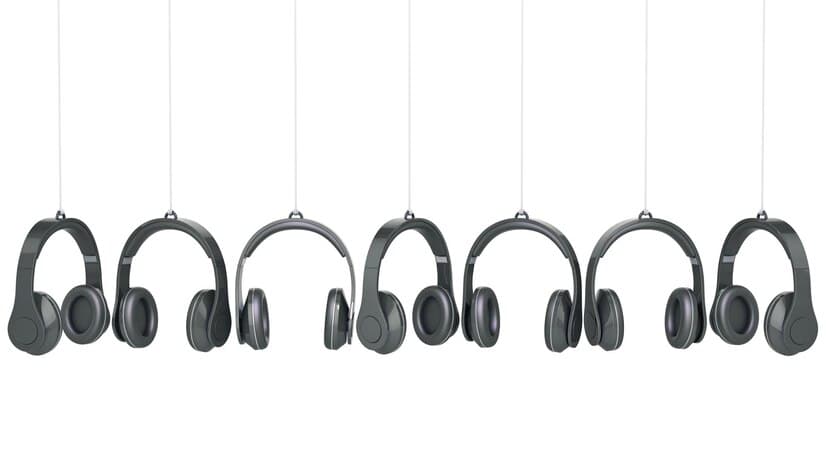
Since the launch of voip phone system and bluetooth technology, there has been a tremendous growth in the hardware options of headsets. You can go with usb wired headset, or usb wireless headset in conjunction with softphones or applications. Or you can go with traditional phones with added EHS (electronic hook switch) which can help get rid of the bulky lifter. Keep in mind, with out the lifter, you will need an electronic hook switch cable in most case to send a ringer alert to the headset anytime the phone rings. With all the options with headset out there, give your phone vendor a call, so they can help you choose the correct one.
LANDLINE SERVICE

Landline service refers to a traditional telephone connection that uses physical wires (copper or fiber optic cables) to transmit calls. It offers reliable and clear communication, especially in areas with limited mobile network coverage. While increasingly replaced by mobile phones and internet-based communication, landlines remain a stable option for businesses and households requiring dependable voice communication. We were called to troubleshoot a landline issue. Still surprising to see that there’s still customers out there that depend on their business through landline. It’s been quite some time since I have seen or even use that source of communication. Once we arrived on site, we were able to determine that it was their provider needed to program their hunt group properly. The customer was extremely happy that we able to resolve and explain to them their issue within an hour.
Fiber Optic Splicing
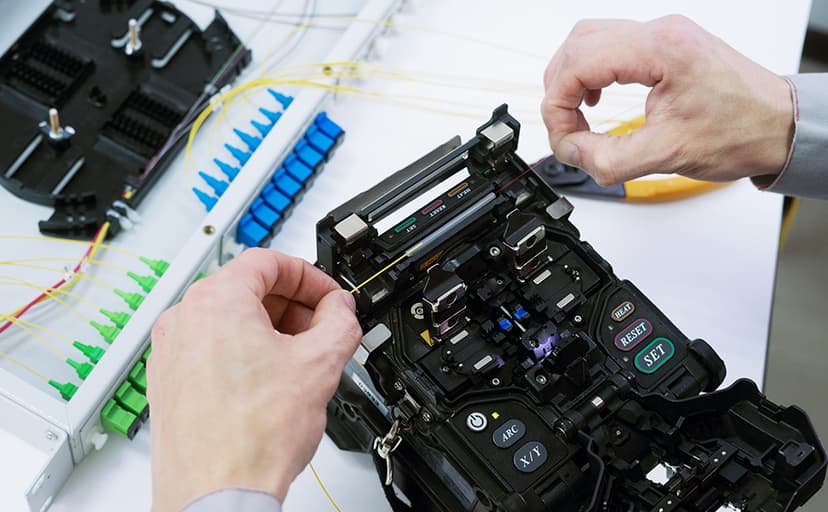
One of the major benefits of fiber splicing is a lower insertion loss when compared to terminating a connector. There are two ways to splice fiber, mechanical splice, or fusion splice. Mechanical Splicing Mechanical splicing doesn’t require any expensive equipment. This splicing method is a junction of 2 or more fiber to hold them in place once it has been aligned. The cover can be a snap on or contain adhesive to permanently hold the splice. Now this doesn’t mean that the fiber is bonded but just precisely aligned so that light can pass from one fiber to the other. Mechanical splicing is a fast and quick solution to repair any damage fiber. The only downfall is that mechanical splicing has a high insertion loss when compared to fusion splicing Fusion Splicing Fusion Splicing will require a fusion splicer. These splicing equipment can be expensive. The fusion method will align two ends of a fiber and permanently bond the end using an electric arc. This is the absolute best method for the lowest insertion loss and low back reflection.
Surveillance Camera System
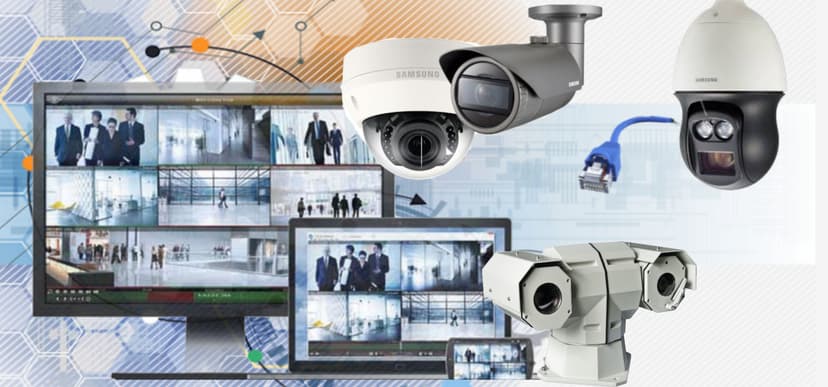
We are pleased to announce due to requests and demands, we are now selling, servicing, and installing video surveillance system. It was a process to get certified and licensed, but it was well worth it. Did you know that most burglary happens during the day time? I first thought it happens at night, but after going through some training, I’ve learn that most burglary happens during the day time. I guess in a way it make sense, burglars typically try to avoid being seen, so they normally try to do it when people are most likely at work. Typically between 10 am and 3pm. With that being said, camera system have been getting more and more affordable. It use to cost thousands for a low end system, now depending on how many cameras and the quality you require, it you can still get a decent system installed for hundreds. That’s a big drop in prices. Even with the lower end cameras, the quality are still decent compare to what it used to be.
Fiber Cleaning

It’s important for your fiber to be cleaned before connecting it. This will reduce some signal quality degradation cause by obstruction debris. Also cleaning your connectors before connecting it to a mating adapter will prevent transporting any contamination to your mating adapter. A unused connectors or mating adapter should always have a cap at the end. Fibers should be stored when possible in a dry and clean area with low traffic to not risk the fiber from being damage. Clean clickers are really compact tools use to clean fiber and inexpensive to own.
What is PoE – Power Over Ethernet Austin
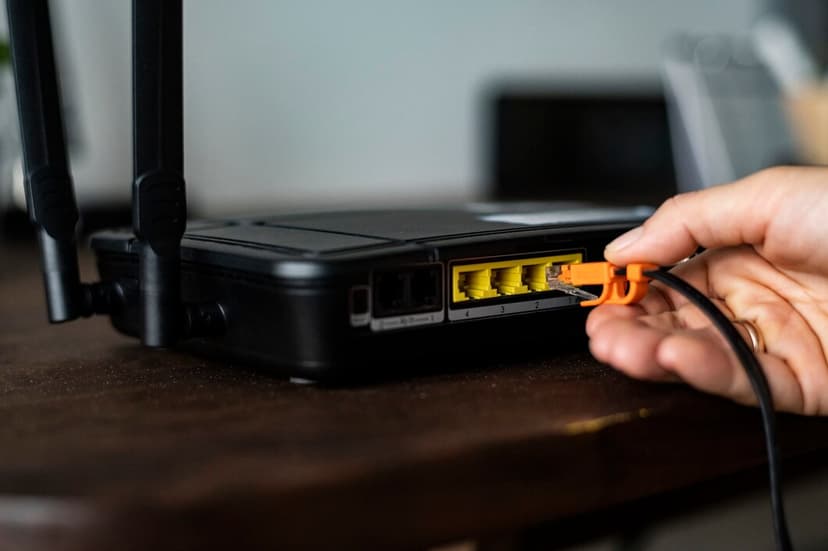
What is PoE? Power over Ethernet (PoE) enables the transmission of both data and power through a single Ethernet cable. This technology eliminates the need for separate data and power cables, streamlining installation and cutting costs. It is commonly utilized for devices such as wireless access points, IP cameras, and VoIP phones. How Does PoE Work? Power over Ethernet (PoE) technology injects direct current (DC) power into an Ethernet cable, concurrently with the data signal. Devices equipped with Power over Ethernet (PoE) capability can receive electrical power through the same cable that provides their network connection, either via a network switch or a PoE injector. Types of PoE: IEEE 802.3af (PoE): Provides up to 15.4 watts of power per port. IEEE 802.3at (PoE+): Offers up to 30 watts per port. IEEE 802.3bt (PoE++): Delivers up to 60 watts or more per port. Benefits: Simplified installation: means there’s no requirement for separate power outlets close to devices. Cost Savings:Reduced cabling and electrical work. Flexibility:Easily move devices without rewiring. Considerations: Power Budget: Ensure your network switch or injector can handle the total power needed by connected devices. Cable Length: Power over Ethernet (PoE) is effective up to a distance of 100 meters (328 feet) when using Cat5e, Cat6, Cat6a, Cat7, or Cat8 cables without the use of repeater or without minimizing ethernet speed.
Fiber PON vs. Traditional Fiber: Understanding the Differences
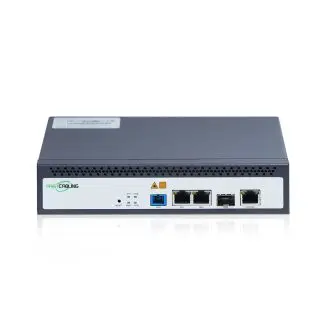
What is Fiber PON? Fiber PON (Passive Optical Network) is a type of fiber optic communication system that uses a single optical fiber to serve multiple endpoints without the need for electrically powered components between the source and the endpoints. This is achieved through passive splitters, which divide the optical signal to serve multiple users. PONs are commonly used in residential broadband, fiber to the home (FTTH), and business environments where multiple users can be served efficiently. Advantages of Fiber PON: Cost-Effective Deployment: By using passive splitters, a single fiber strand can serve multiple users, reducing the amount of fiber and associated installation costs. Scalability: PONs can easily scale to accommodate additional users without significant infrastructure changes. Energy Efficiency: The absence of active components in the field reduces power consumption and maintenance needs. Disadvantages of Fiber PON: Shared Bandwidth: Since multiple users share the same fiber, bandwidth is divided among them, which can lead to reduced performance during peak usage times. Limited Distance: The distance over which PON can effectively transmit data is typically shorter compared to point-to-point fiber systems. What is Traditional Fiber? Traditional fiber, often referred to as point-to-point fiber, involves a direct fiber optic connection from the service provider’s central office to the end user. Each user has a dedicated fiber strand, ensuring a direct and uninterrupted link. Advantages of Traditional Fiber: Dedicated Bandwidth: Each user has their own fiber strand, ensuring consistent and high-speed performance regardless of other users’ activities. Longer Distance: Traditional fiber systems can transmit data over longer distances without significant loss of signal quality, making them ideal for larger geographical areas. Higher Capacity: Point-to-point systems can support higher data rates, making them suitable for bandwidth-intensive applications. Disadvantages of Traditional Fiber: Higher Cost: The need for dedicated fiber strands for each user increases the material and installation costs. Complex Deployment: Installing separate fibers for each endpoint can be more complex and time-consuming. Choosing the Right Solution for Your Business When deciding between Fiber PON and traditional fiber for your business, several factors need to be considered: Bandwidth Requirements: If your business demands high bandwidth for applications such as video conferencing, large data transfers, or real-time data processing, traditional fiber may be the better choice due to its dedicated bandwidth and higher capacity. Number of Users: For businesses with numerous users in a concentrated area, Fiber PON can be more cost-effective and scalable. It allows multiple endpoints to be connected using fewer fibers, which can significantly reduce deployment costs. Geographical Spread: If your business is spread over a large area, traditional fiber’s ability to maintain signal quality over long distances can be advantageous. However, if your operations are more localized, the distance limitations of Fiber PON may not be a concern. Budget Considerations: Fiber PON can offer substantial savings on initial deployment and ongoing maintenance due to its passive nature and efficient use of infrastructure. Traditional fiber, while offering superior performance, typically requires a higher initial investment. Future Growth: Consider your business’s future growth potential. If you anticipate a significant increase in data demand, traditional fiber’s higher capacity and dedicated connections might better serve your long-term needs. Conclusion: Both Fiber PON and traditional fiber optic technologies offer substantial benefits over older copper-based systems, providing faster, more reliable internet connections essential for modern business operations. Fiber PON excels in cost-efficiency and scalability, making it ideal for environments with multiple users and constrained budgets. Traditional fiber, on the other hand, provides unmatched performance with dedicated bandwidth and long-distance capabilities, suitable for high-demand applications and extensive geographic coverage. At Business Communication Solutions (BCS), we understand the critical role that a reliable and high-performance network plays in your business’s success. Whether you’re considering Fiber PON or traditional fiber, our team of experts can help you assess your needs, plan your infrastructure, and implement a solution tailored to your specific requirements. Contact us today to learn more about how we can enhance your business communication with state-of-the-art fiber optic technology.